A series of wheel-thrown bowls by Mati Cini, decorated by Clara Holt with wild clay collected in Sicily. The five cups are sold together.
The works bring together figures, both mythological and historical, associated with poison, healing, and transformation. Across different cultures and epochs, these women embody forms of knowledge that exist at the threshold between medicine and magic, care and destruction. Their gestures of mixing, infusing, and administering suggest an intimate, embodied understanding of matter and its hidden potentials.
Xi Wang Mu (Queen Mother of the West)
A central figure in the Taoist pantheon, Xi Wang Mu presides over the western celestial realms and the orchard of peaches of immortality. Dwelling on Mount Kunlun, a liminal space between worlds, she governs transformation, longevity, and the fate of immortal women. As keeper of the elixir of immortality, she embodies feminine alchemical power. Her potions enable transcendence, yet remain fundamentally ambivalent, capable of granting life or death depending on the worthiness of the recipient.
Giulia Tofana
A legendary 17th-century figure active in Palermo, Naples, and Rome, Giulia Tofana is associated with the infamous Aqua Tofana, a transparent poison disguised as a cosmetic. Said to have enabled women to escape violent marriages, her practice occupies a space between crime and resistance. Her figure evokes a form of domestic, embodied knowledge of substances, remedies, and toxins, transformed into an instrument of agency. Her poison remains irreducibly ambiguous, at once liberation and transgression, care and destruction.
Medea
Princess of Colchis and archetypal sorceress, Medea is a figure of radical knowledge and estrangement. Through her mastery of herbs and incantations, she enables heroic feats while simultaneously destabilizing moral and cosmic order. Her pharmaka, both remedies and poisons, operate as agents of transformation, capable of protecting, deceiving, or annihilating. Medea embodies the unsettling power of knowledge that exceeds the boundaries imposed by both human and divine law.
Cleopatra VII
The last ruler of Ptolemaic Egypt, Cleopatra VII is remembered as a learned and multilingual sovereign, versed in philosophy, natural sciences, and, in later traditions, alchemical practices. Beyond the reductive image of the seductress, she emerges as a figure deeply engaged with the material and symbolic dimensions of power, including knowledge of substances, transformation, and the body.
Circe
Daughter of the Sun, Circe inhabits the island of Aeaea, where she receives and transforms those who arrive. A solitary figure, her knowledge is rooted in observation of the natural world. Through her potions, she reveals rather than conceals. Metamorphosis becomes a form of truth, exposing the latent nature of her subjects. Circe’s practice collapses distinctions between punishment and revelation, magic and knowledge.
A series of wheel-thrown bowls by Mati Cini, decorated by Clara Holt with wild clay collected in Sicily. The five cups are sold together.
The works bring together figures, both mythological and historical, associated with poison, healing, and transformation. Across different cultures and epochs, these women embody forms of knowledge that exist at the threshold between medicine and magic, care and destruction. Their gestures of mixing, infusing, and administering suggest an intimate, embodied understanding of matter and its hidden potentials.
Xi Wang Mu (Queen Mother of the West)
A central figure in the Taoist pantheon, Xi Wang Mu presides over the western celestial realms and the orchard of peaches of immortality. Dwelling on Mount Kunlun, a liminal space between worlds, she governs transformation, longevity, and the fate of immortal women. As keeper of the elixir of immortality, she embodies feminine alchemical power. Her potions enable transcendence, yet remain fundamentally ambivalent, capable of granting life or death depending on the worthiness of the recipient.
Giulia Tofana
A legendary 17th-century figure active in Palermo, Naples, and Rome, Giulia Tofana is associated with the infamous Aqua Tofana, a transparent poison disguised as a cosmetic. Said to have enabled women to escape violent marriages, her practice occupies a space between crime and resistance. Her figure evokes a form of domestic, embodied knowledge of substances, remedies, and toxins, transformed into an instrument of agency. Her poison remains irreducibly ambiguous, at once liberation and transgression, care and destruction.
Medea
Princess of Colchis and archetypal sorceress, Medea is a figure of radical knowledge and estrangement. Through her mastery of herbs and incantations, she enables heroic feats while simultaneously destabilizing moral and cosmic order. Her pharmaka, both remedies and poisons, operate as agents of transformation, capable of protecting, deceiving, or annihilating. Medea embodies the unsettling power of knowledge that exceeds the boundaries imposed by both human and divine law.
Cleopatra VII
The last ruler of Ptolemaic Egypt, Cleopatra VII is remembered as a learned and multilingual sovereign, versed in philosophy, natural sciences, and, in later traditions, alchemical practices. Beyond the reductive image of the seductress, she emerges as a figure deeply engaged with the material and symbolic dimensions of power, including knowledge of substances, transformation, and the body.
Circe
Daughter of the Sun, Circe inhabits the island of Aeaea, where she receives and transforms those who arrive. A solitary figure, her knowledge is rooted in observation of the natural world. Through her potions, she reveals rather than conceals. Metamorphosis becomes a form of truth, exposing the latent nature of her subjects. Circe’s practice collapses distinctions between punishment and revelation, magic and knowledge.
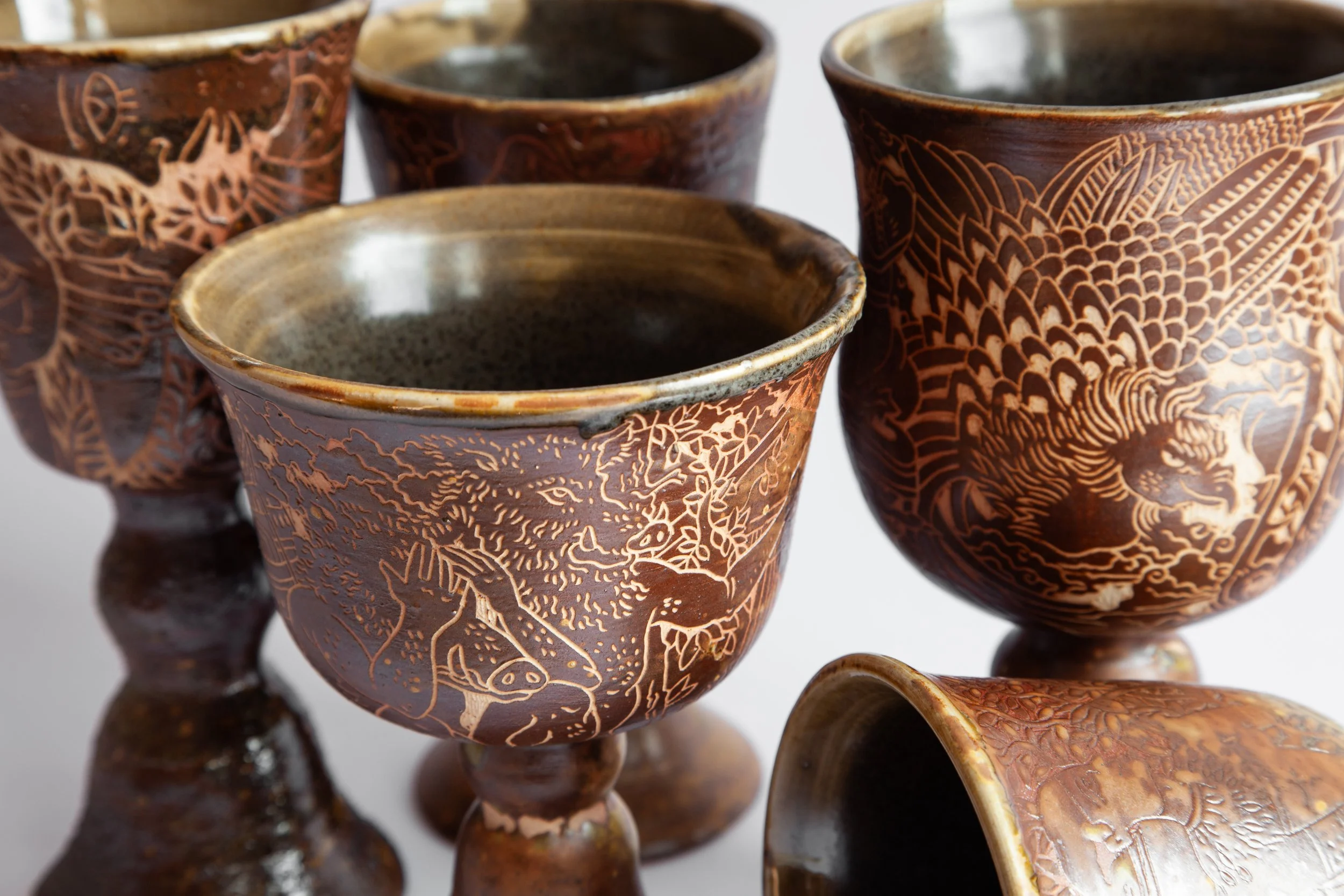 Image 1 of 25
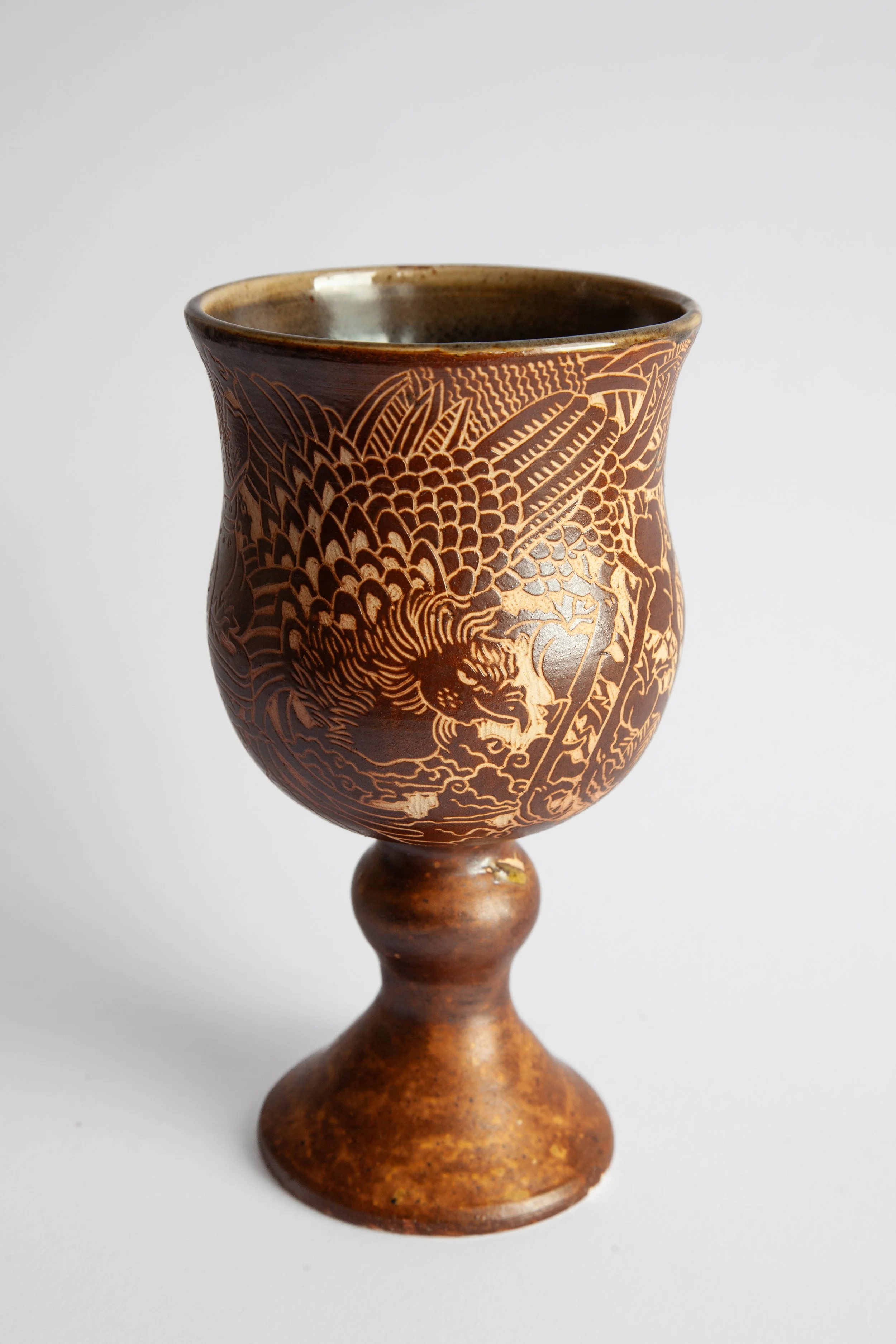 Image 2 of 25
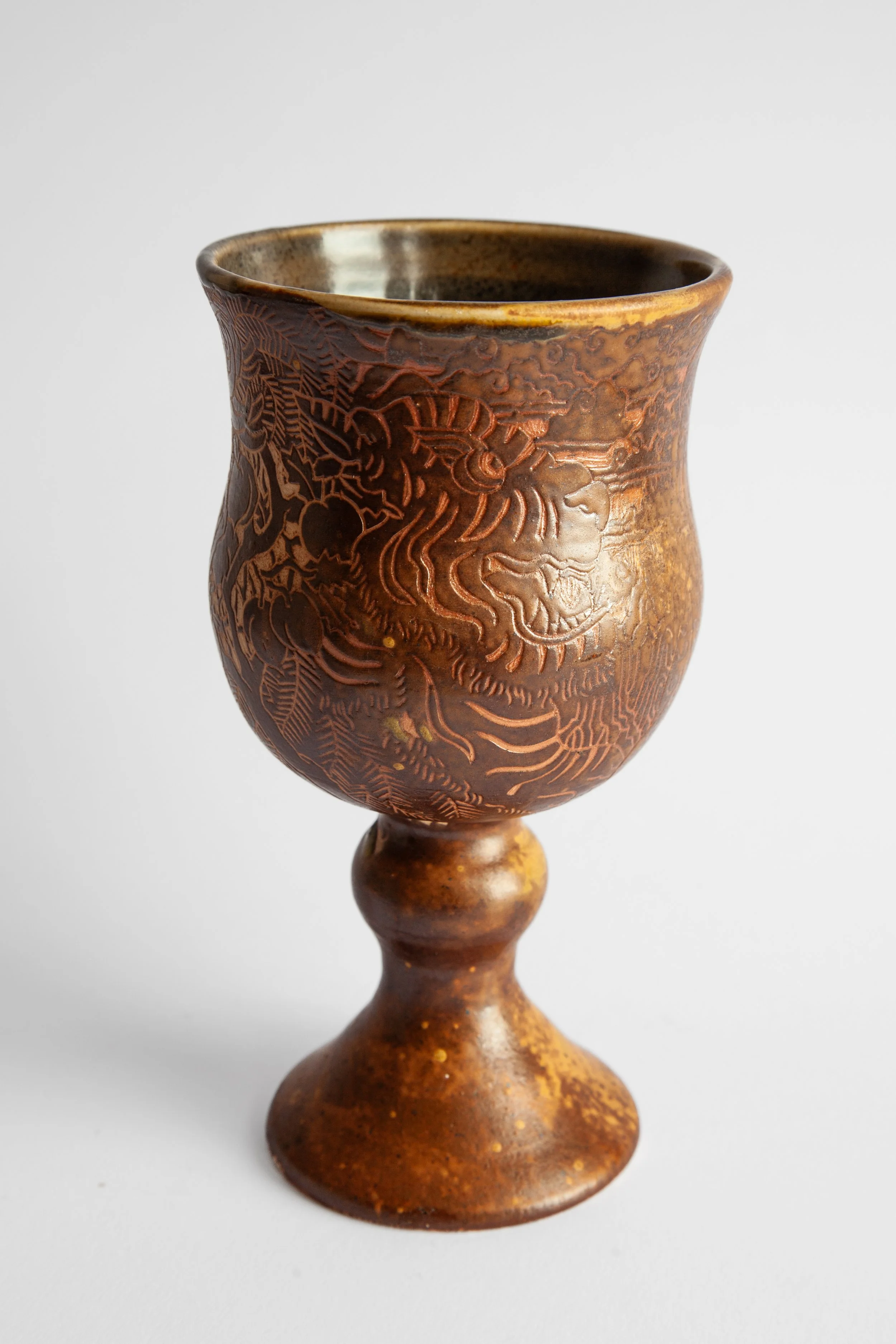 Image 3 of 25
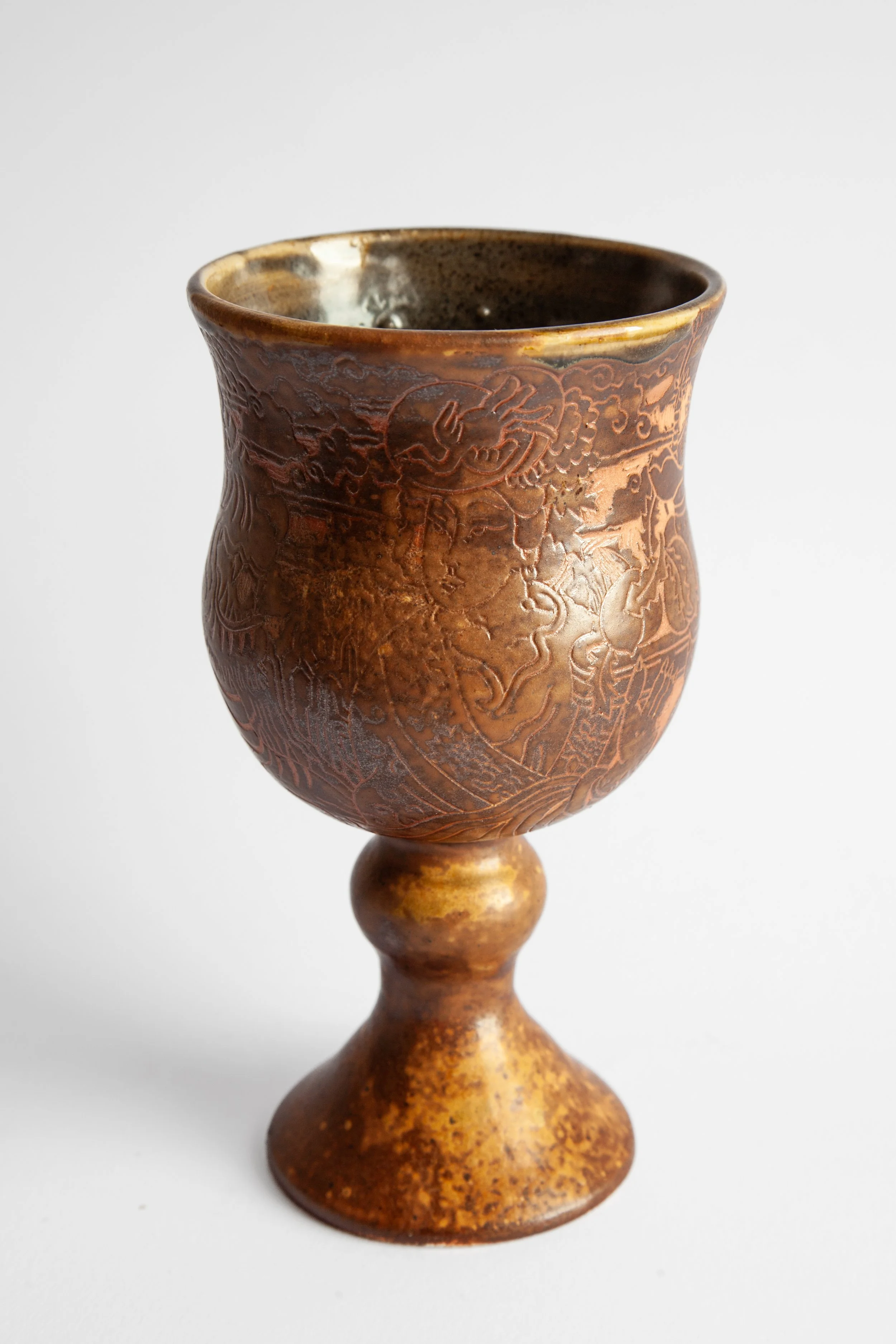 Image 4 of 25
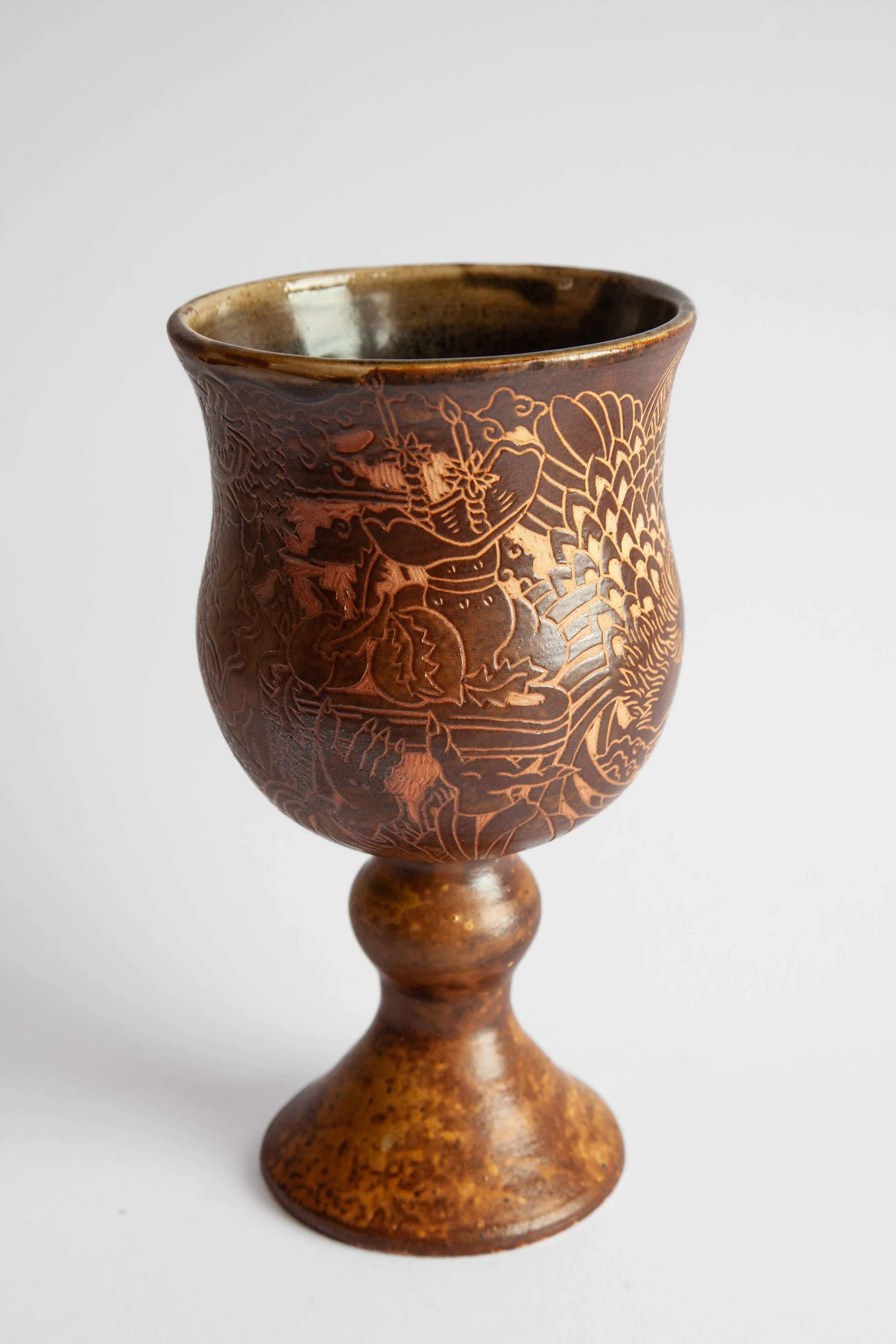 Image 5 of 25
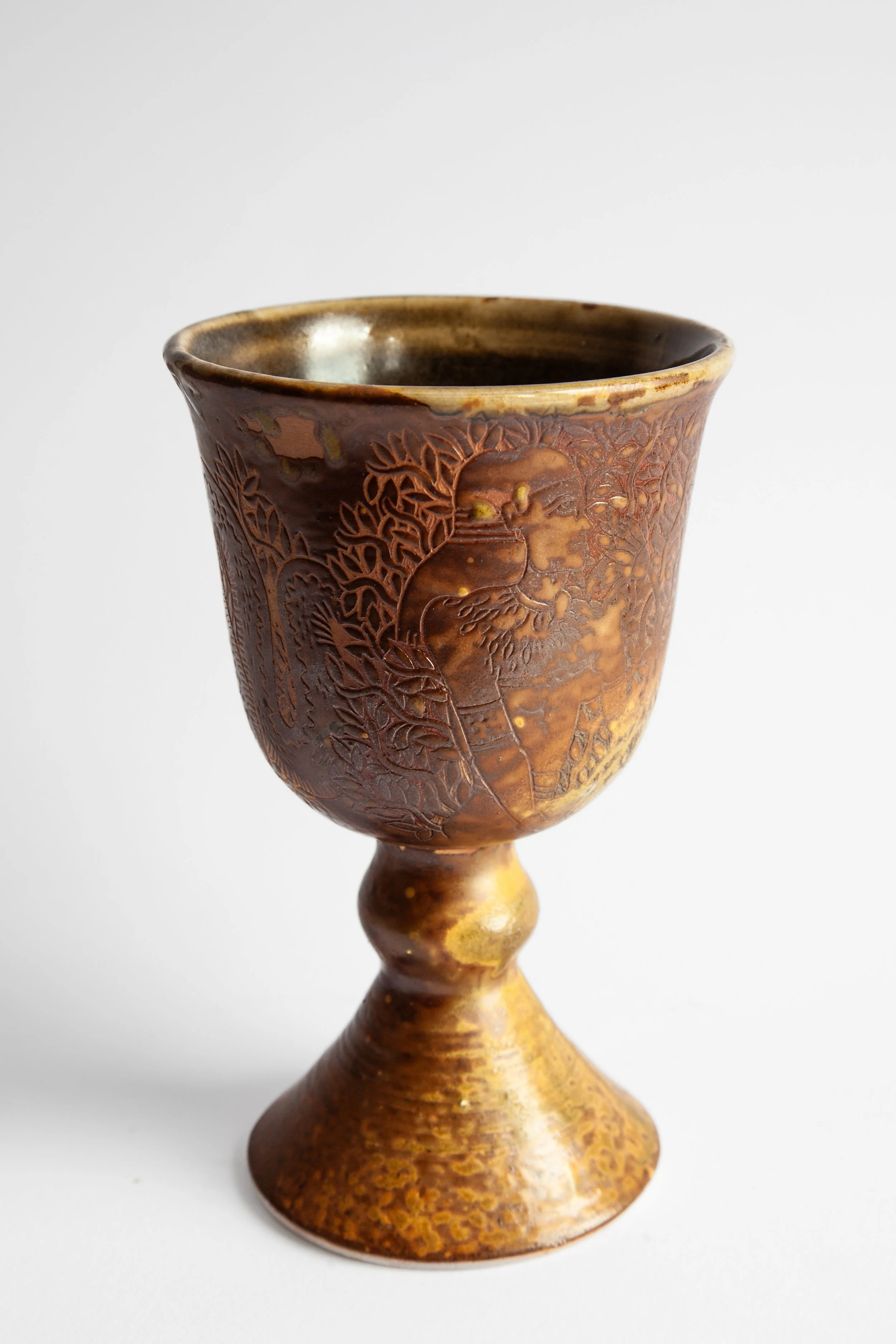 Image 6 of 25
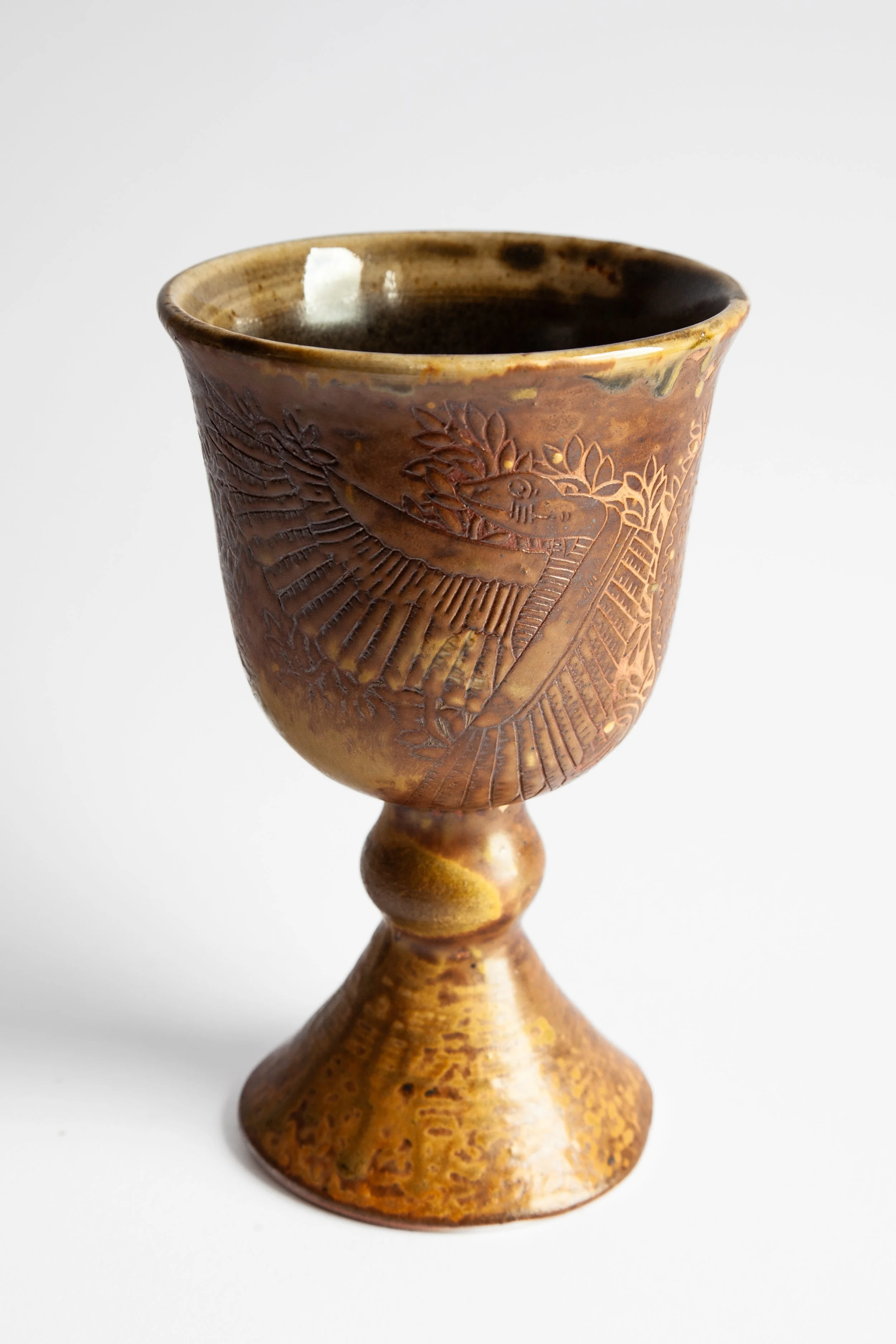 Image 7 of 25
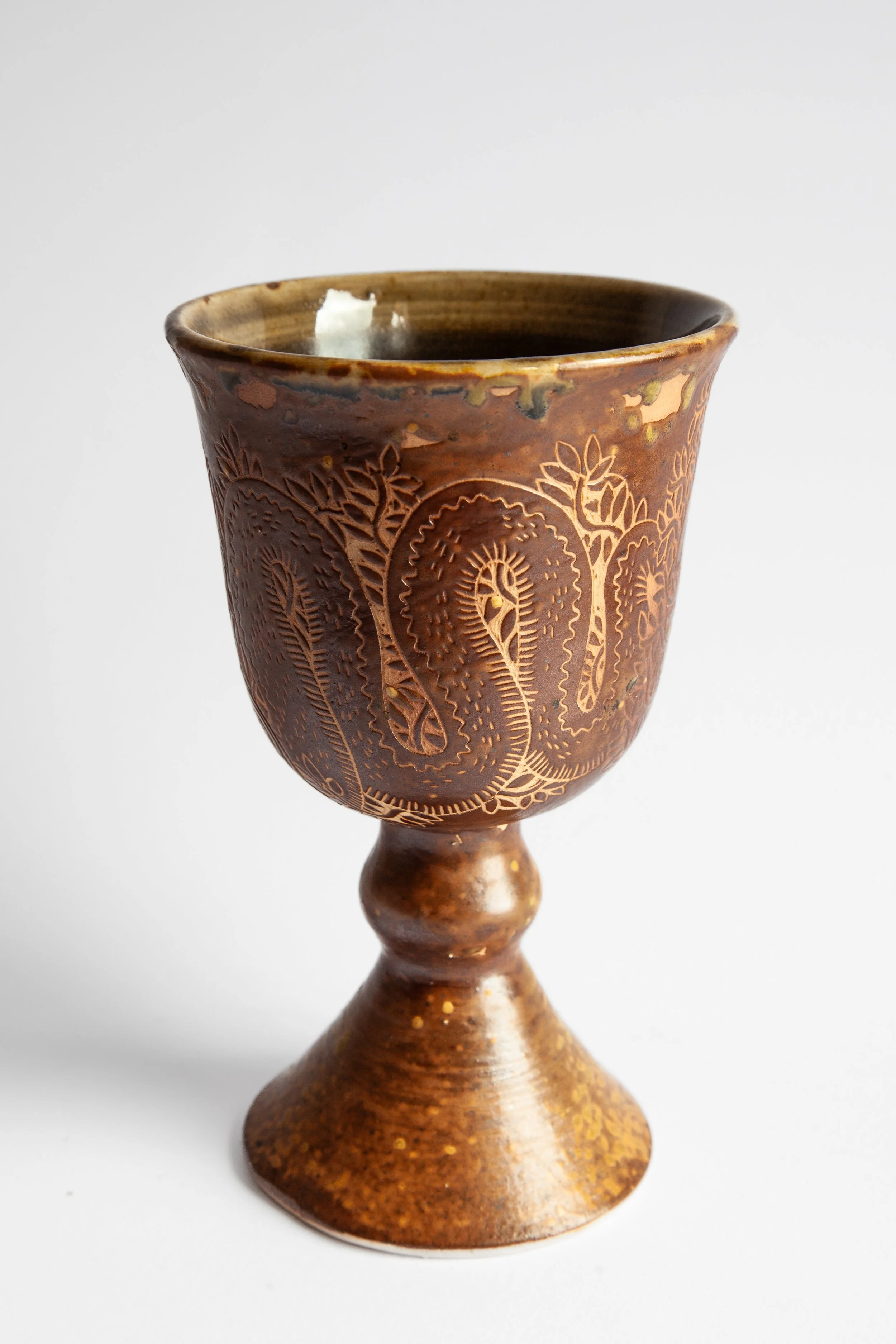 Image 8 of 25
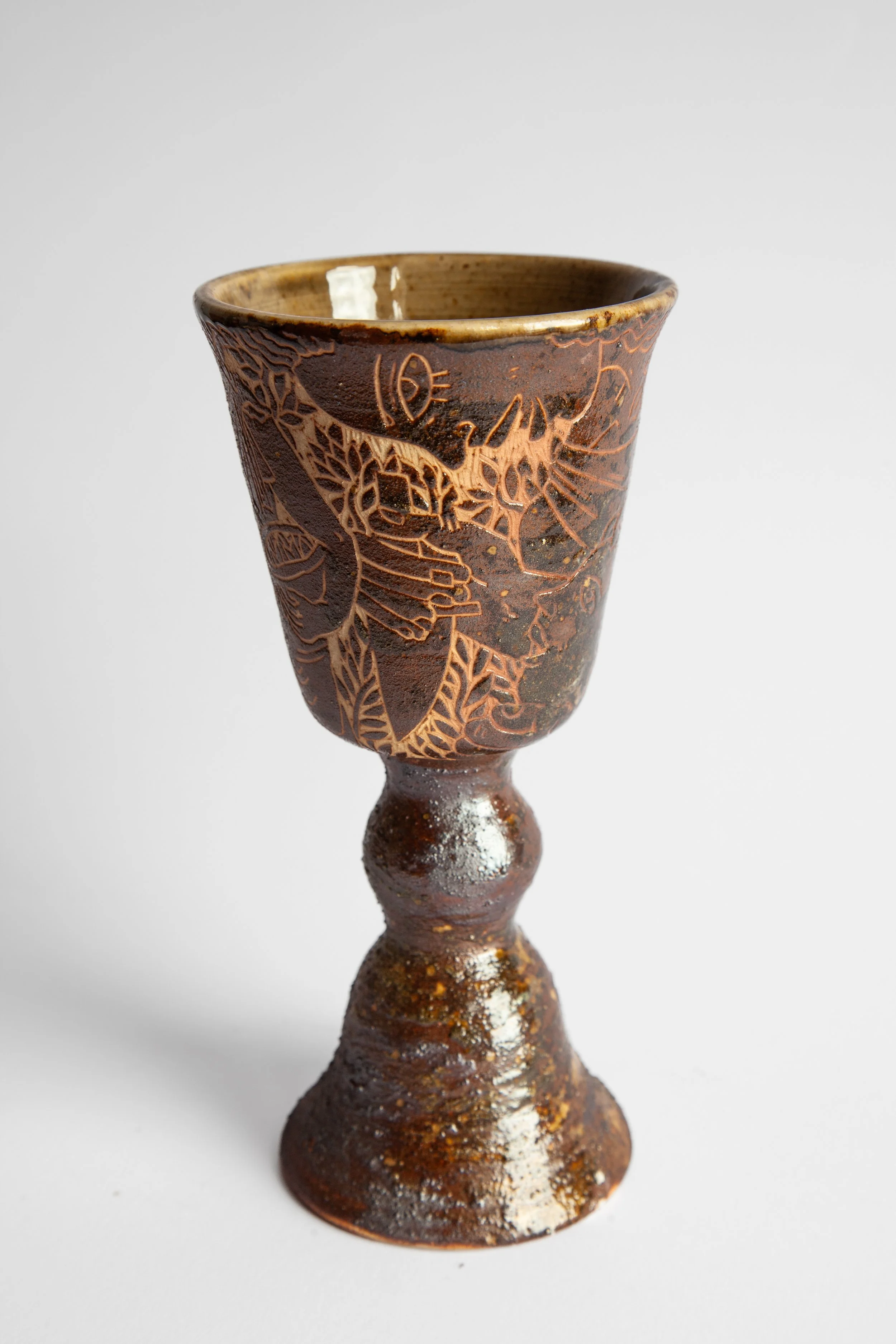 Image 9 of 25
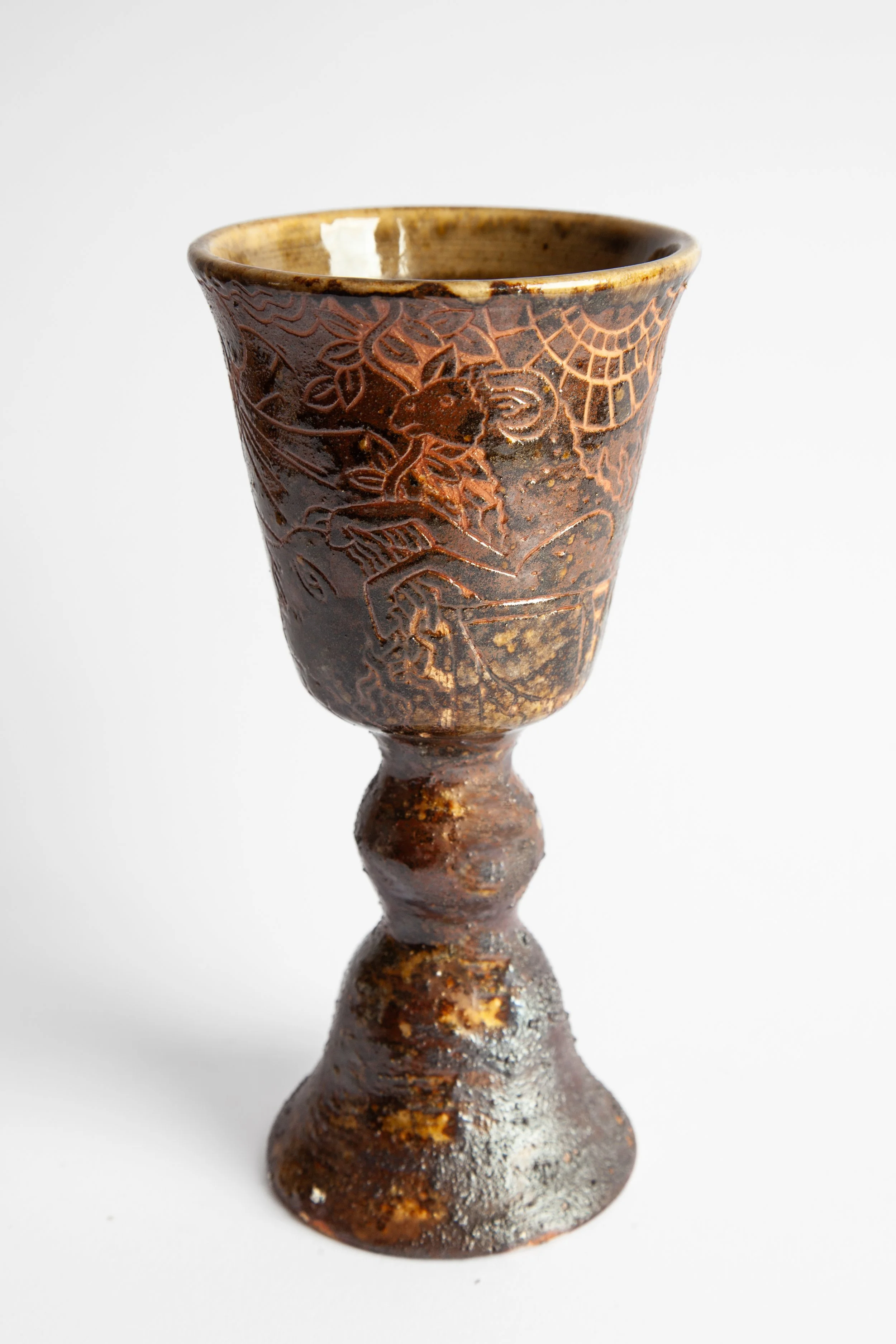 Image 10 of 25
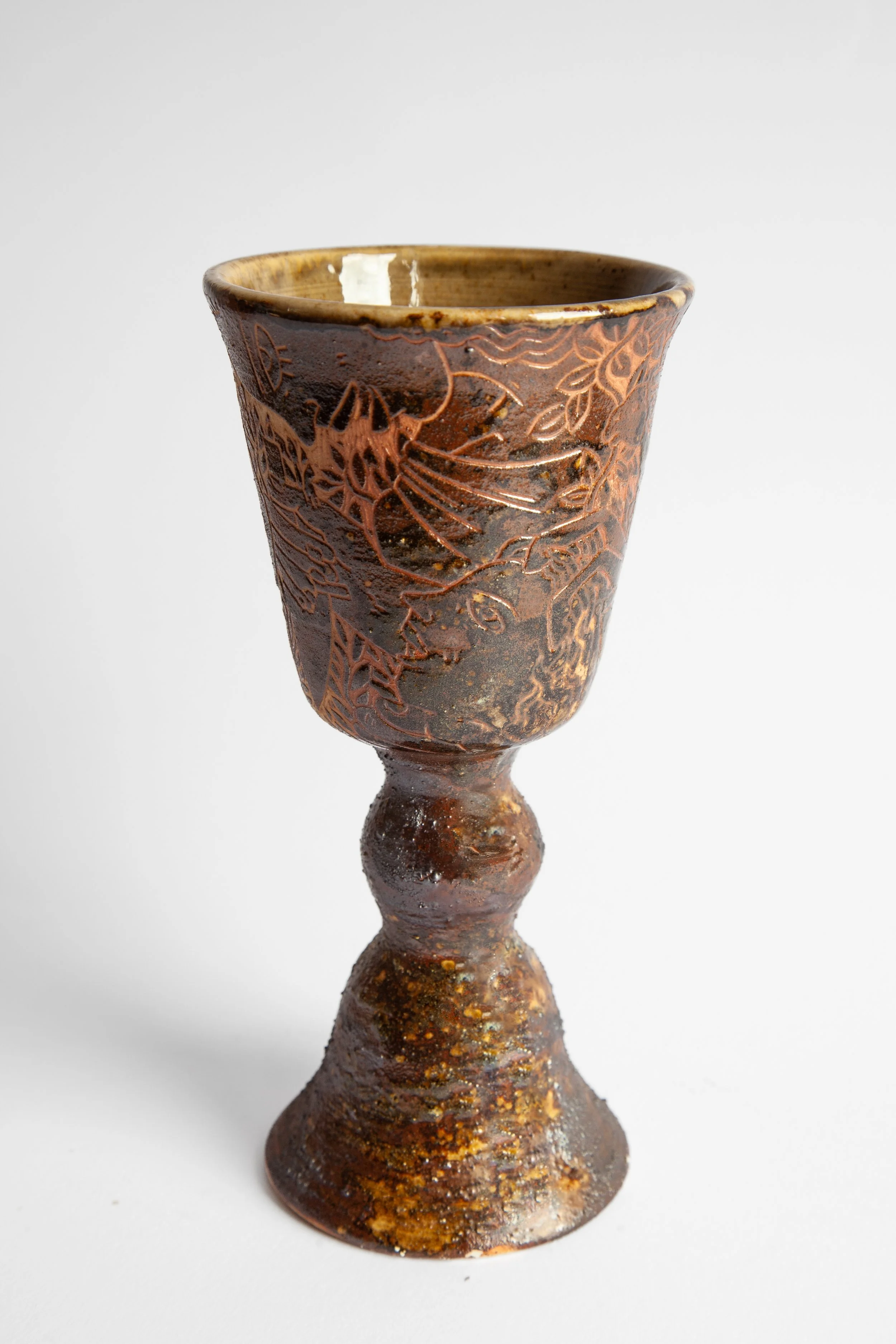 Image 11 of 25
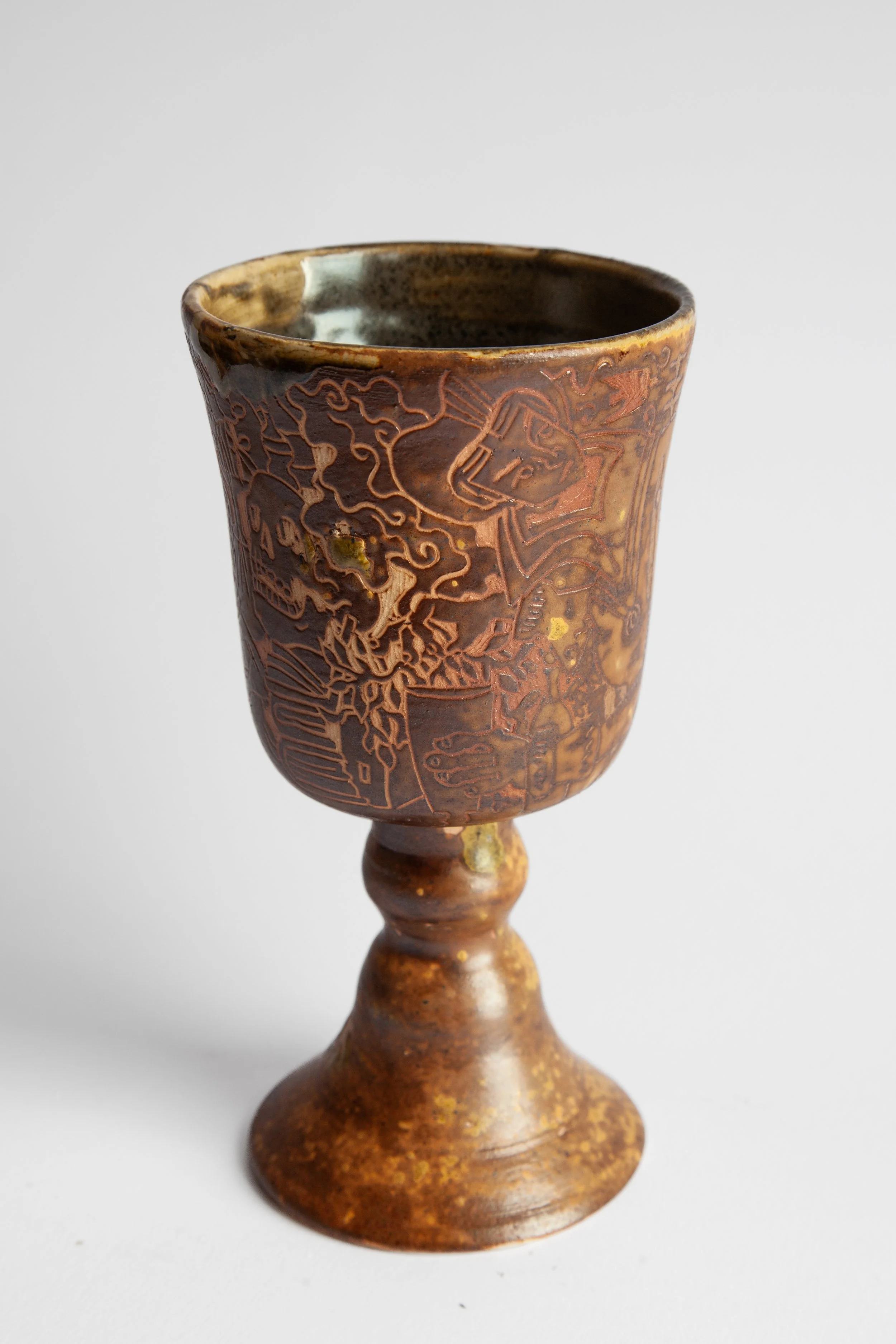 Image 12 of 25
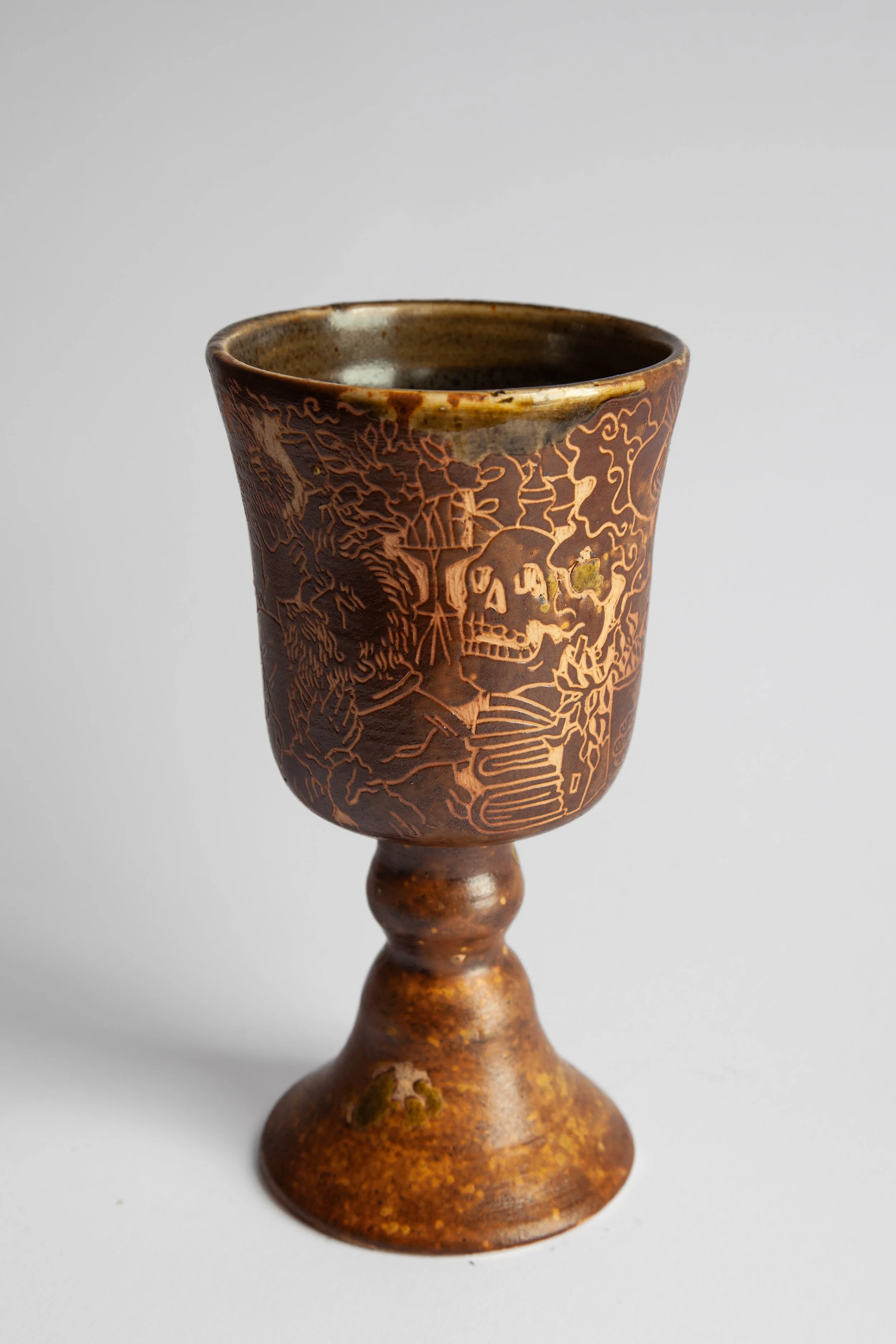 Image 13 of 25
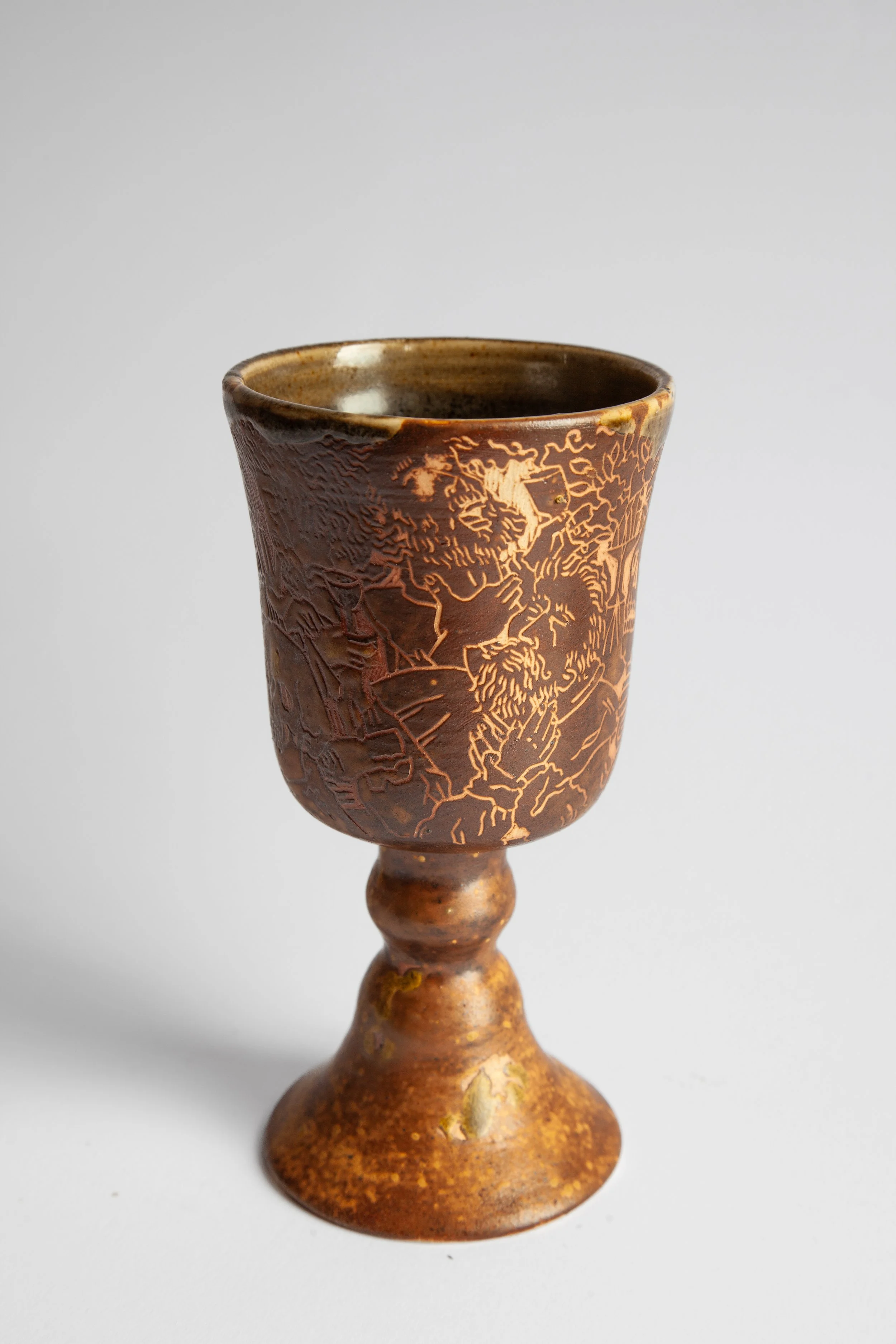 Image 14 of 25
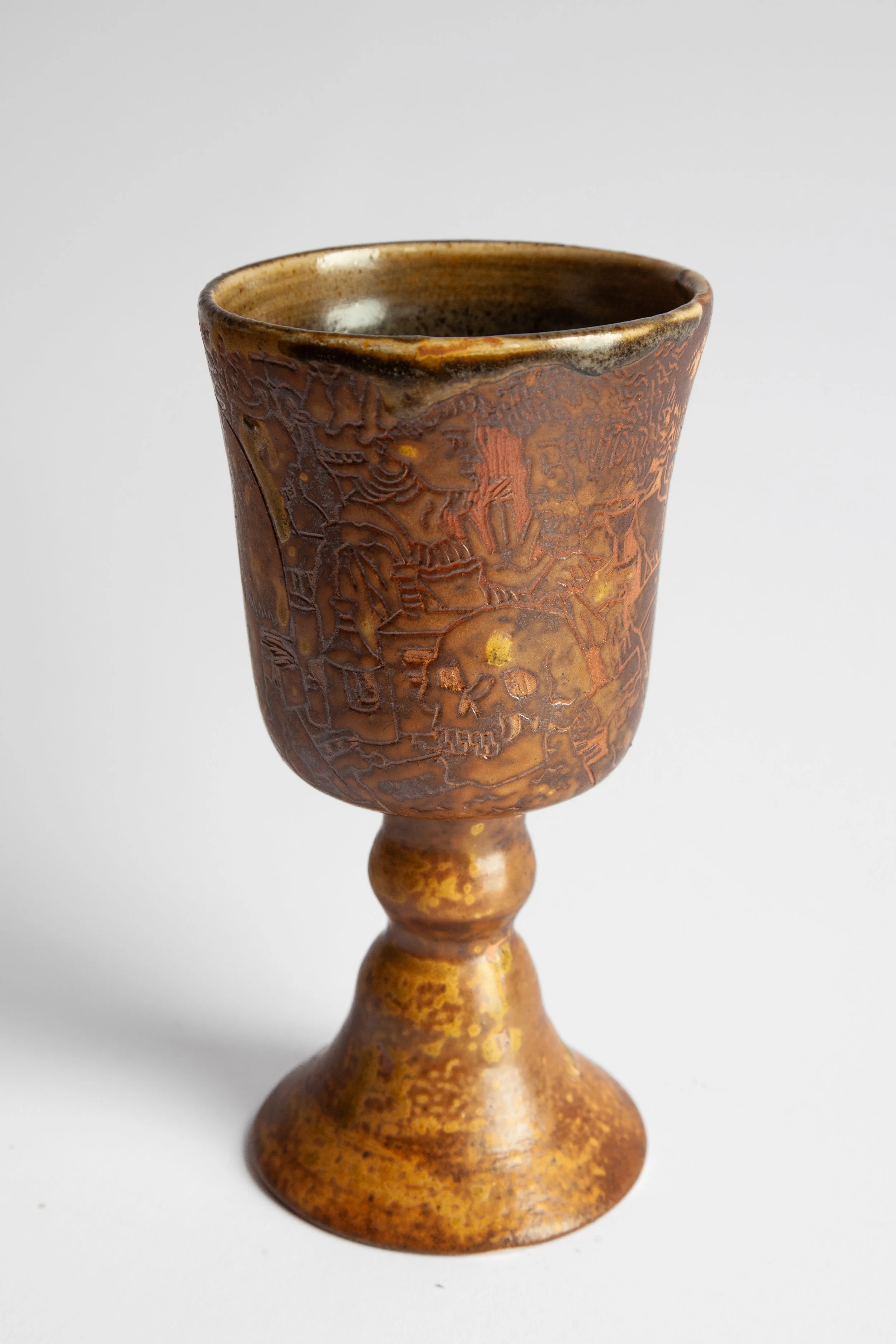 Image 15 of 25
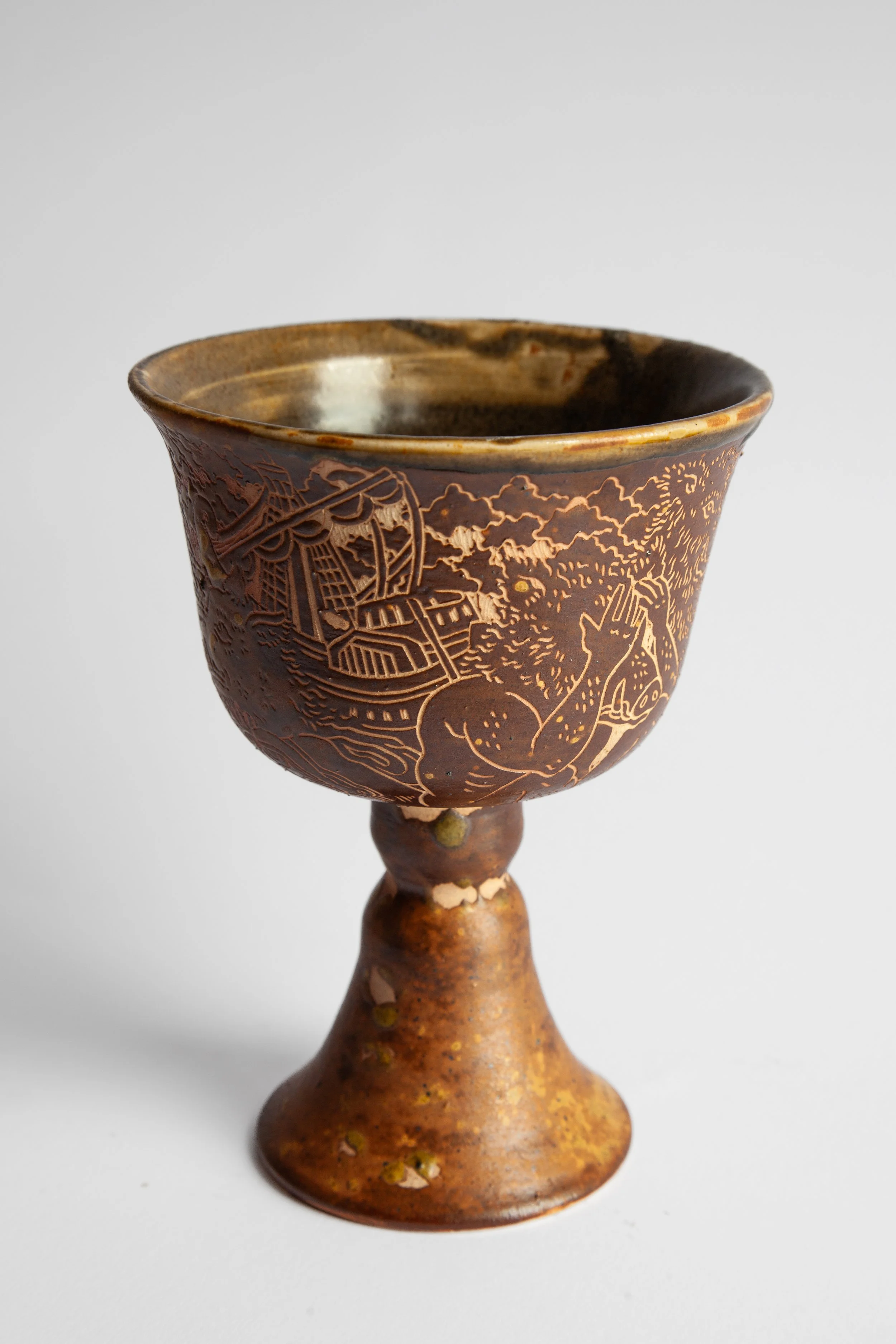 Image 16 of 25
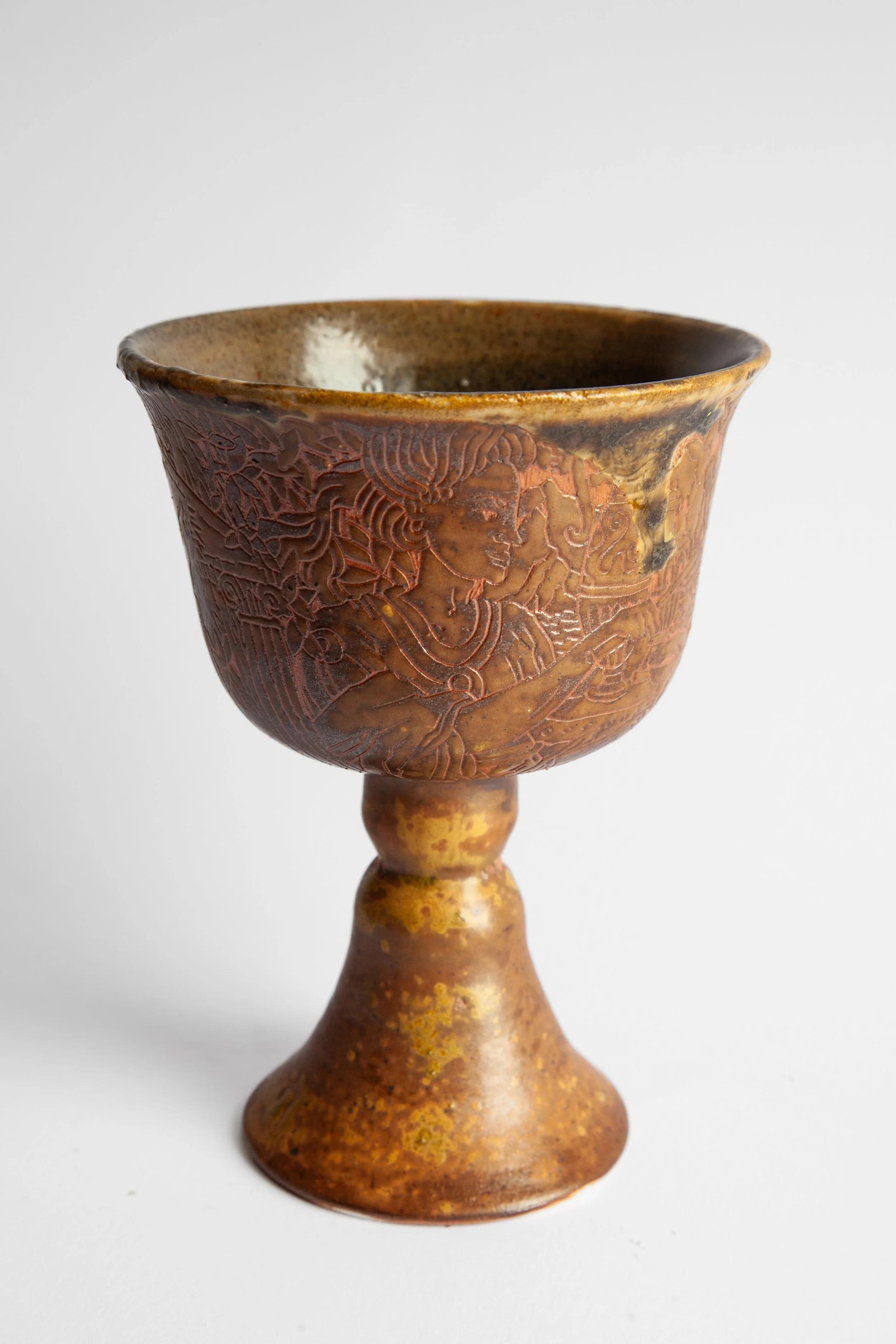 Image 17 of 25
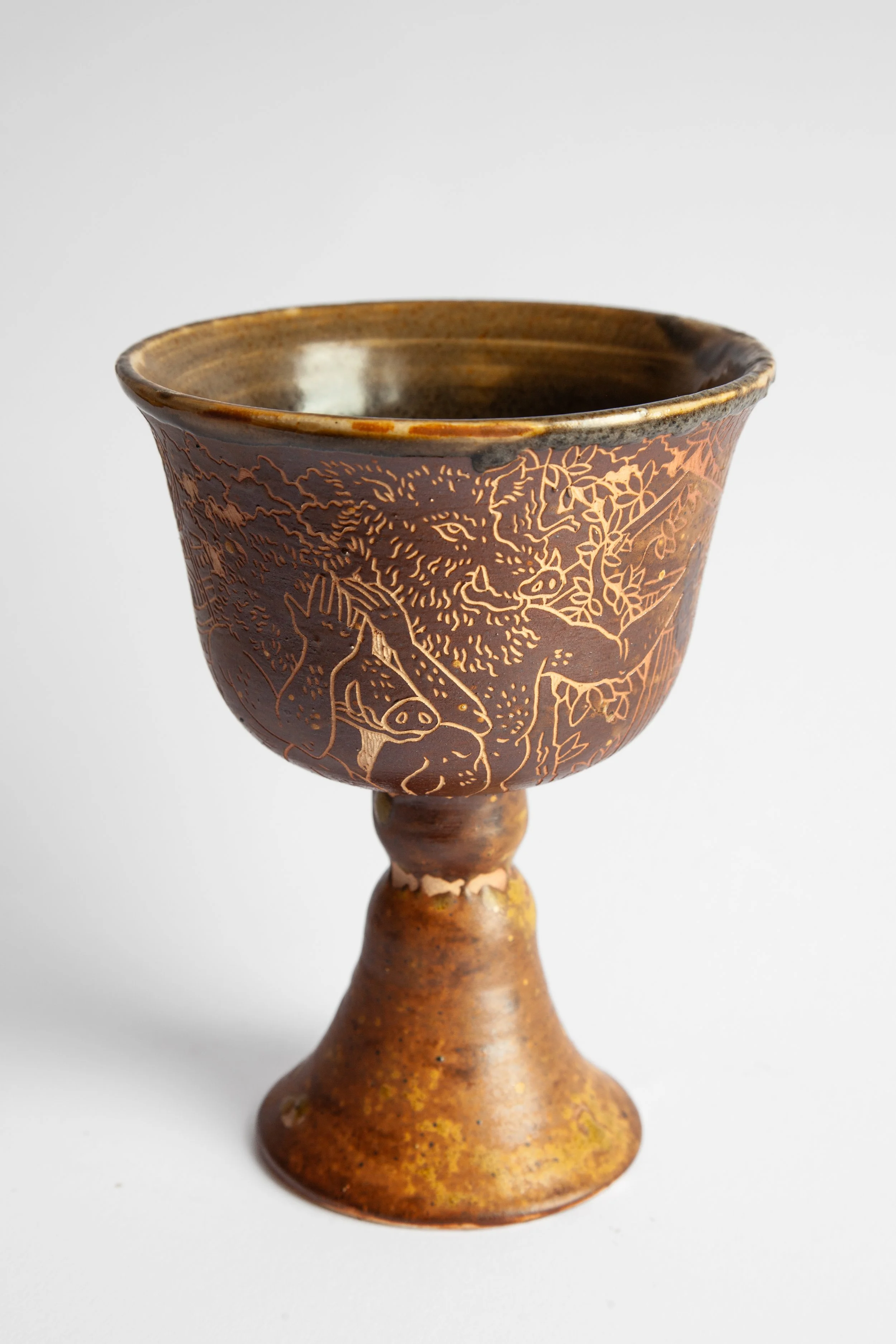 Image 18 of 25
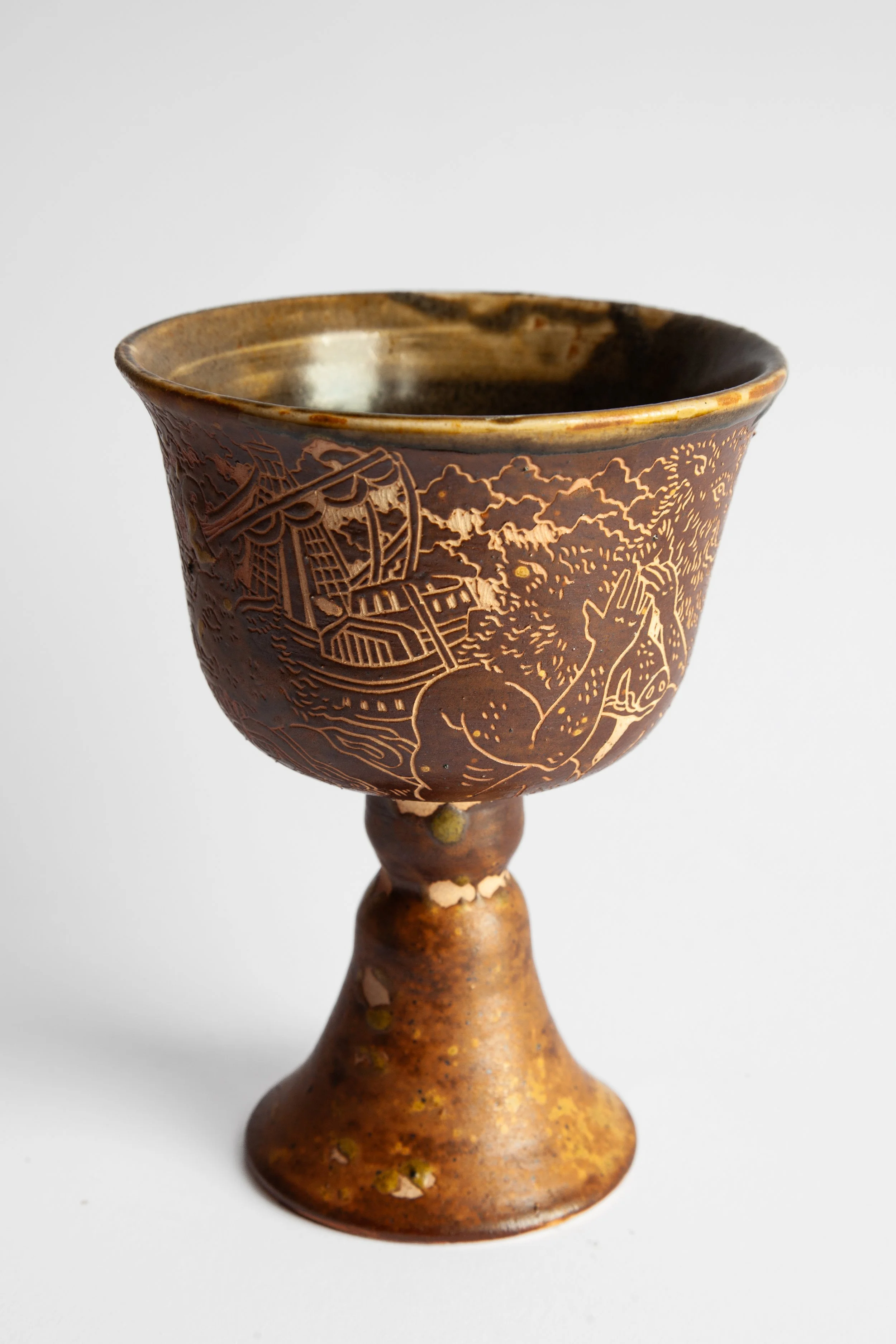 Image 19 of 25
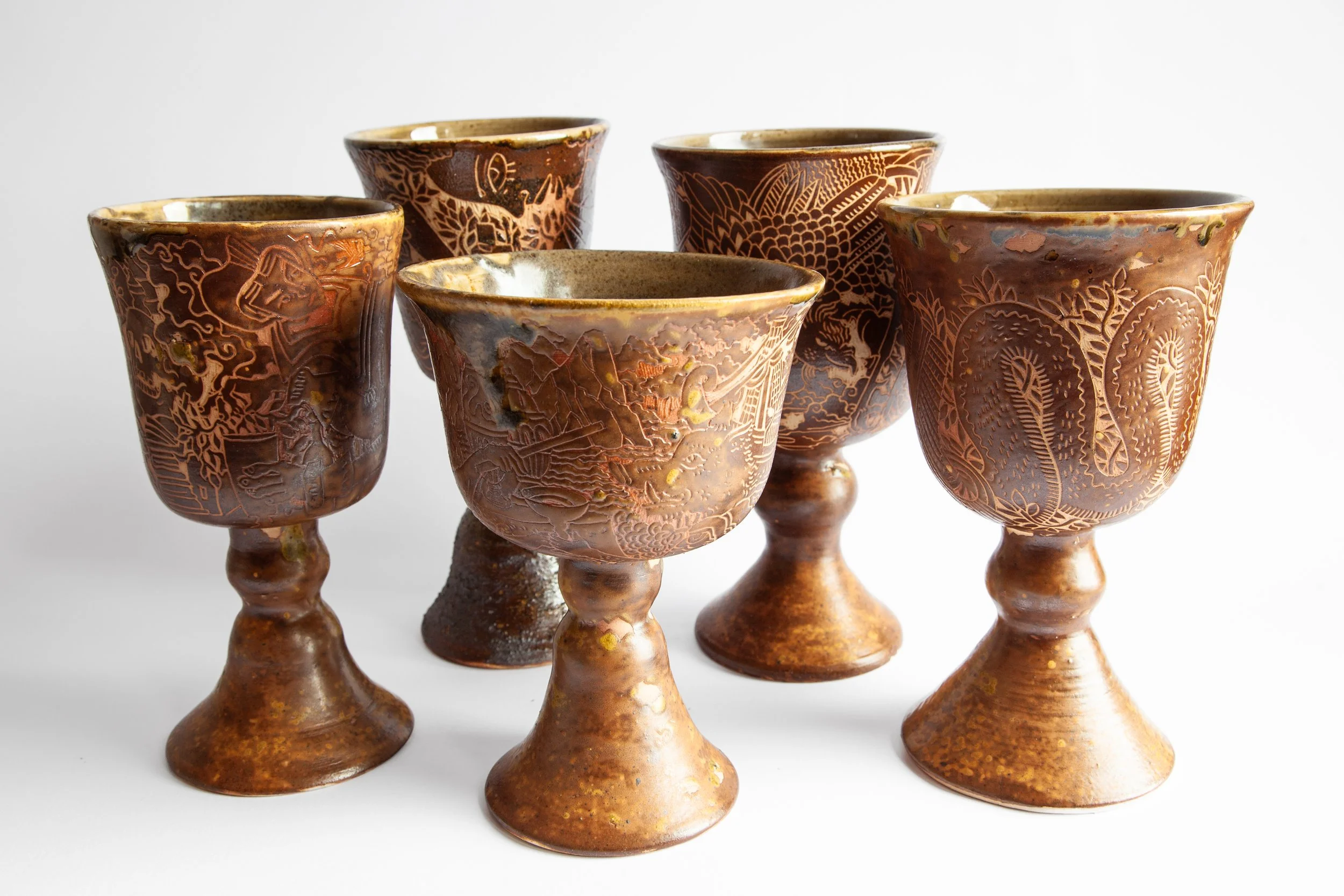 Image 20 of 25
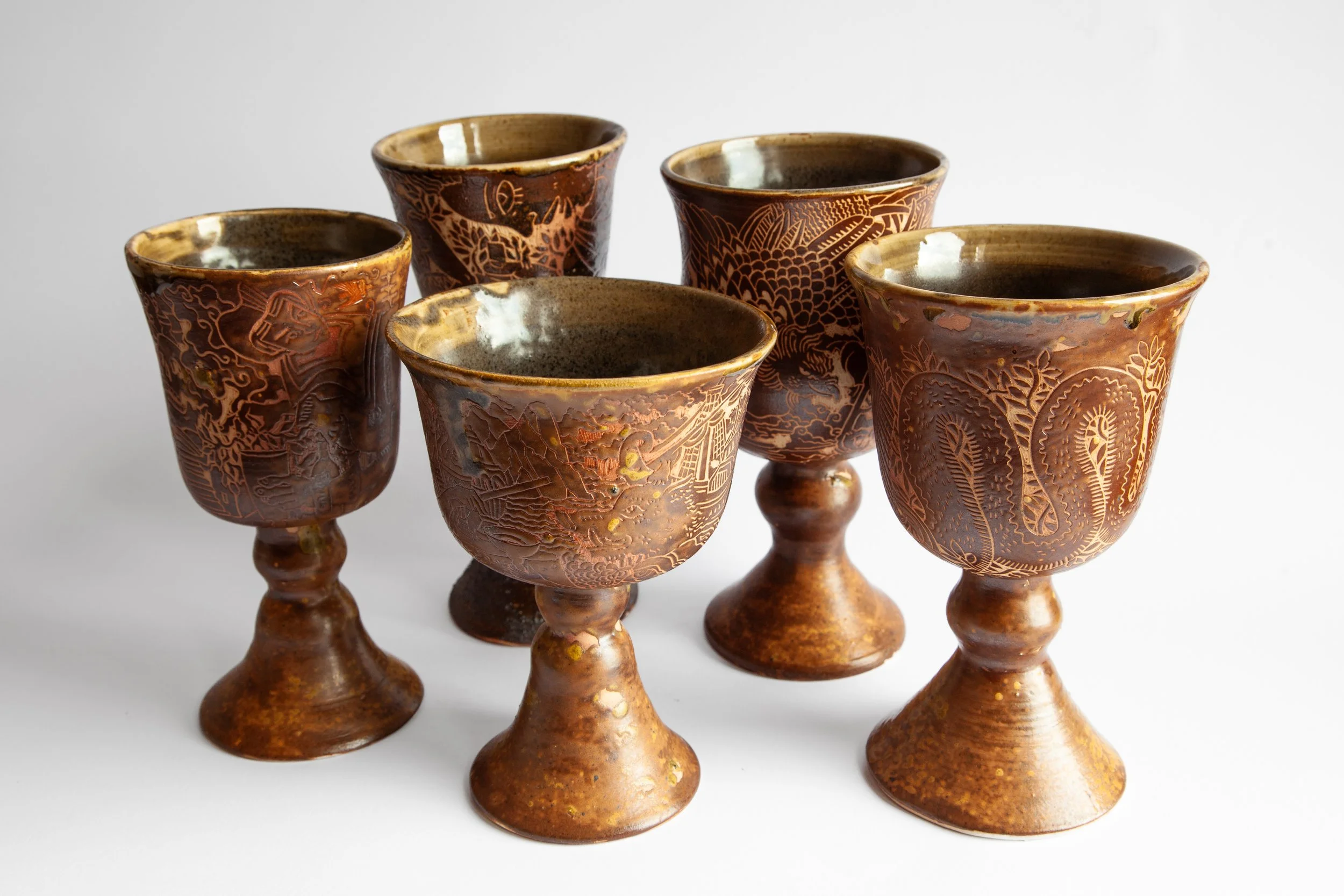 Image 21 of 25
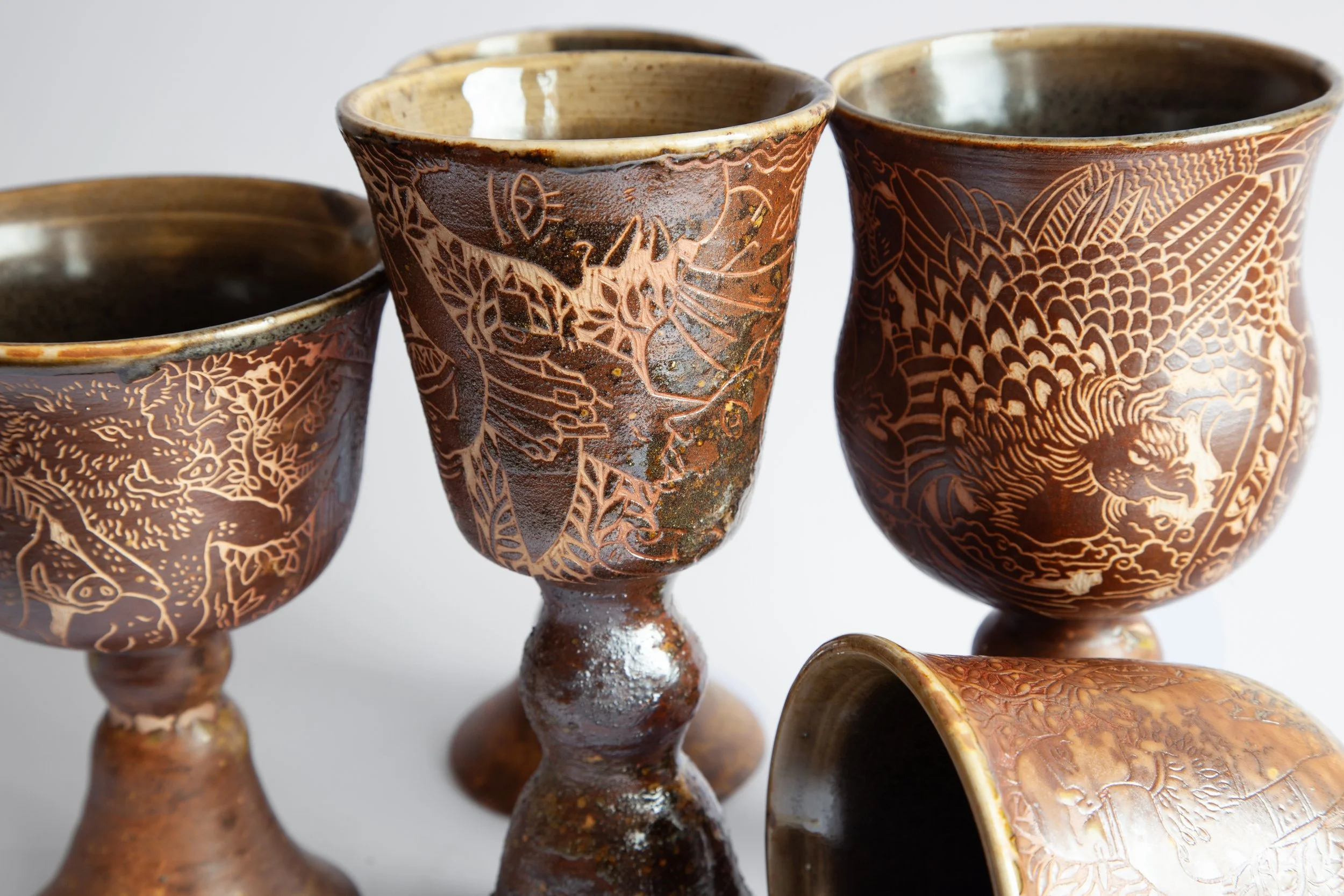 Image 22 of 25
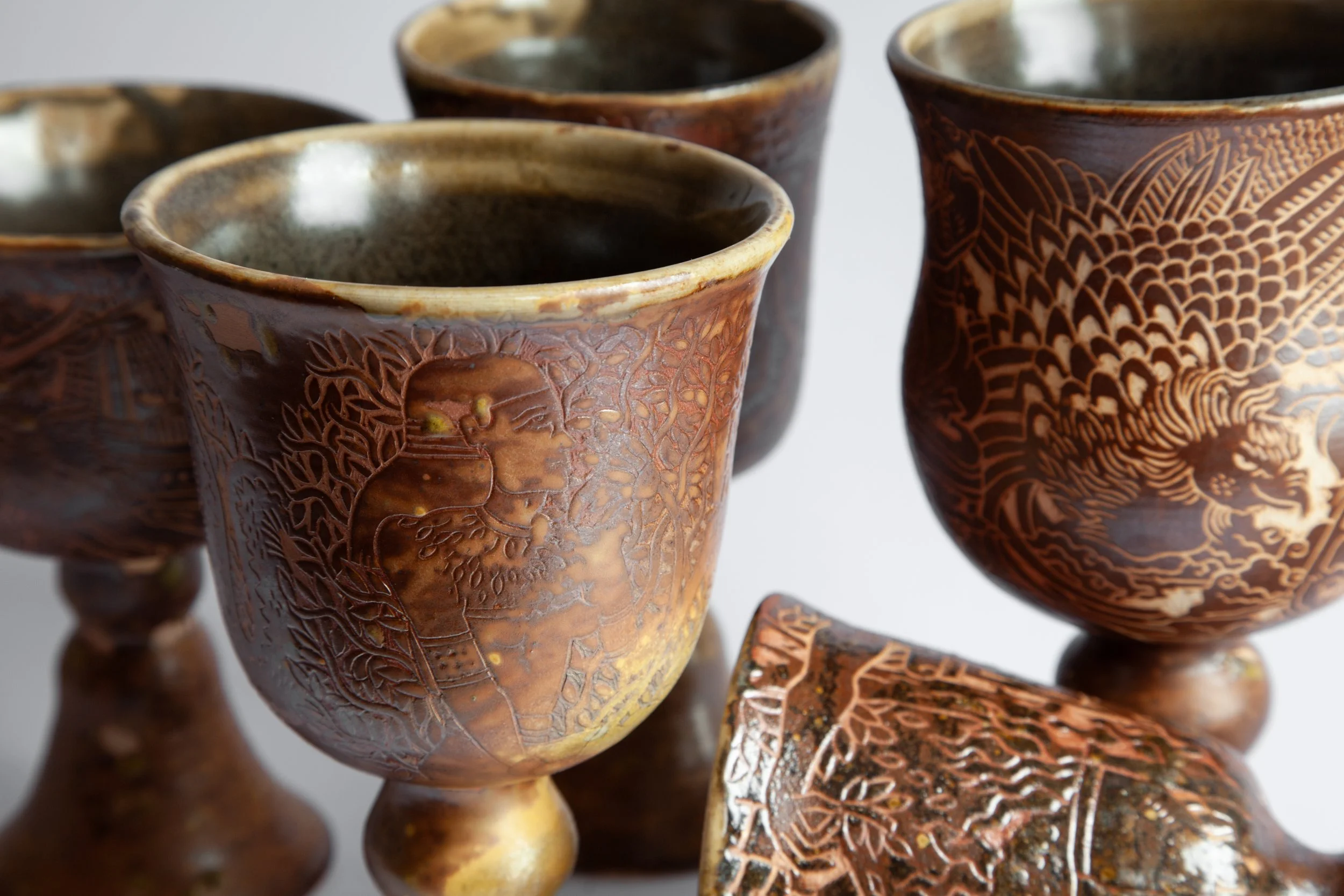 Image 23 of 25
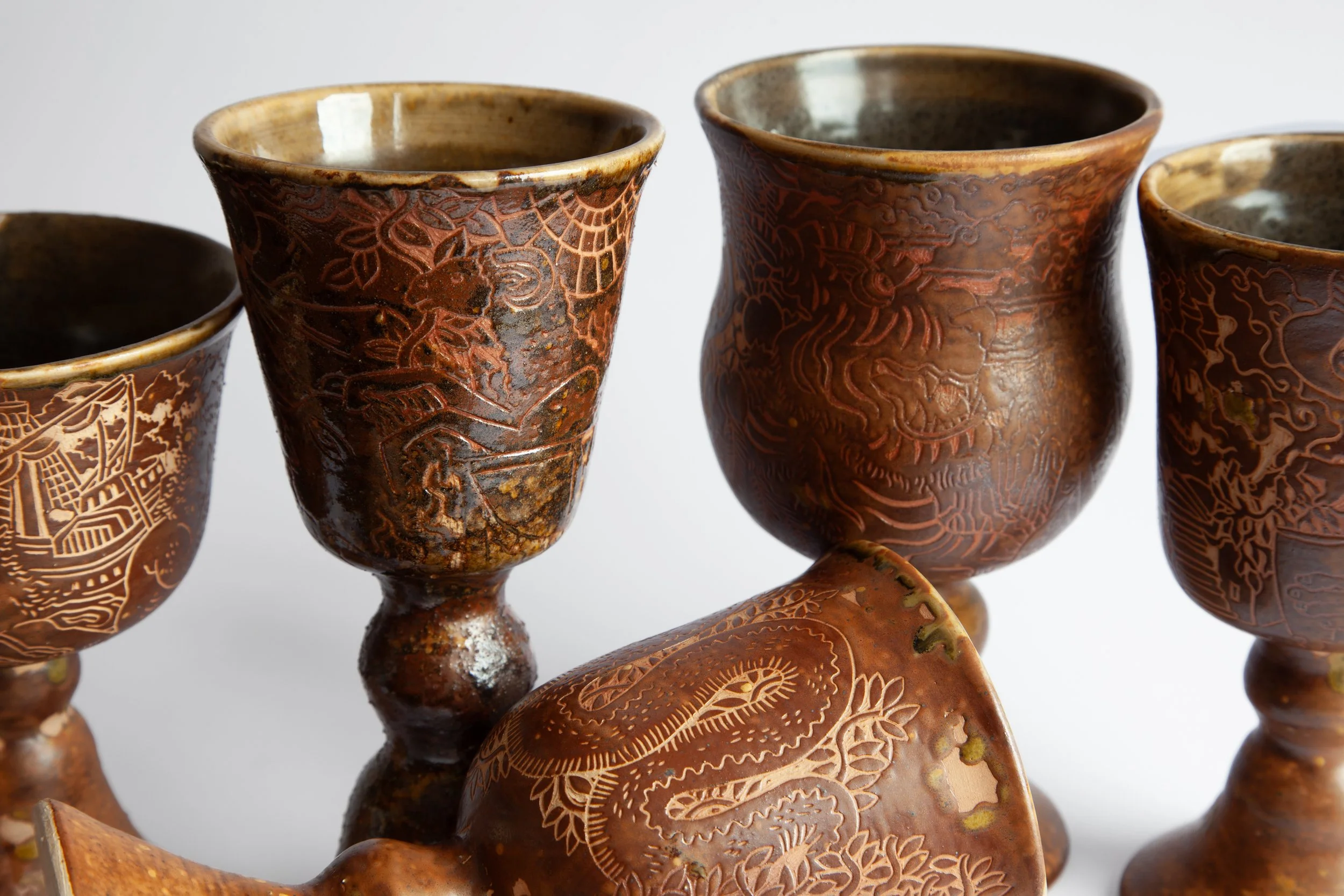 Image 24 of 25
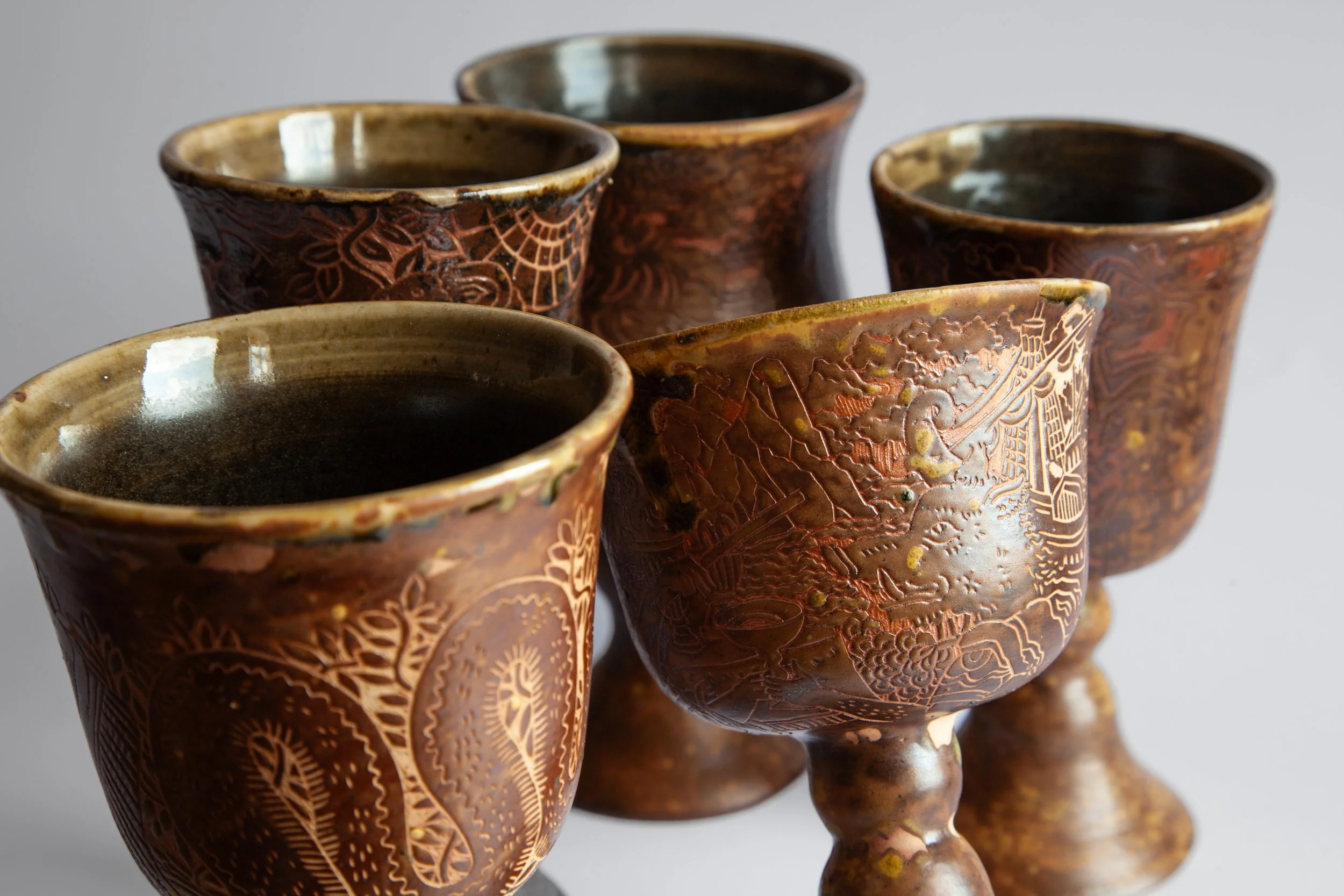 Image 25 of 25